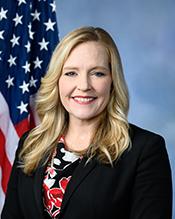
Representative Erin Houchin
- Party
- Republican
- State
- Indiana
- District
- District 9
- Chamber
- House of Representatives
- Term Ends
- January 3, 2027
Representative Erin Houchin represents the U.S. House of Representatives. Erin's current term of service in Congress began January 3, 2025 and ends January 3, 2027. In the House, Erin Houchin votes on federal legislation, participates in oversight, helps shape federal spending, and assists constituents with federal issues. The district-focused role asks Erin Houchin to bring local priorities into national debates while working through committee assignments and constituent services. This profile brings together service details and source links so visitors can follow Erin's work from one place.
Quick Facts
- Party
- Republican
- State
- Indiana
- District
- District 9
- Chamber
- House of Representatives
- Serving since
- January 3, 2025
- Term Ends
- January 3, 2027
Contact Information
Washington, DC Office
342 Cannon House Office Building Washington DC 20515-1409
Phone: 202-225-5315
District Office
104 W Hackberry St, Salem, IN, 47167
Phone: 812-288-3999
Congressional Work
A quick way to explore what this member is doing: recent votes show floor decisions, sponsored legislation shows bills this member introduced, and cosponsored legislation shows bills this member formally supported.
Recent votes
Updated at June 29, 2026 10:07 am. Next update: when the next site data refresh is started.
Sponsored legislation
Updated at June 29, 2026 10:07 am. Next update: when the next site data refresh is started.
Cosponsored legislation
Updated at June 29, 2026 10:07 am. Next update: when the next site data refresh is started.
Learn More
Additional official and nonpartisan public profile links for Representative Houchin.
People links
Member-specific official and civic profile pages, grouped here so visitors can keep exploring without hunting for source links.
Research datasets and context
Background datasets and documentation that help explain bill status, vote records, congressional identifiers, and broader legislative context.